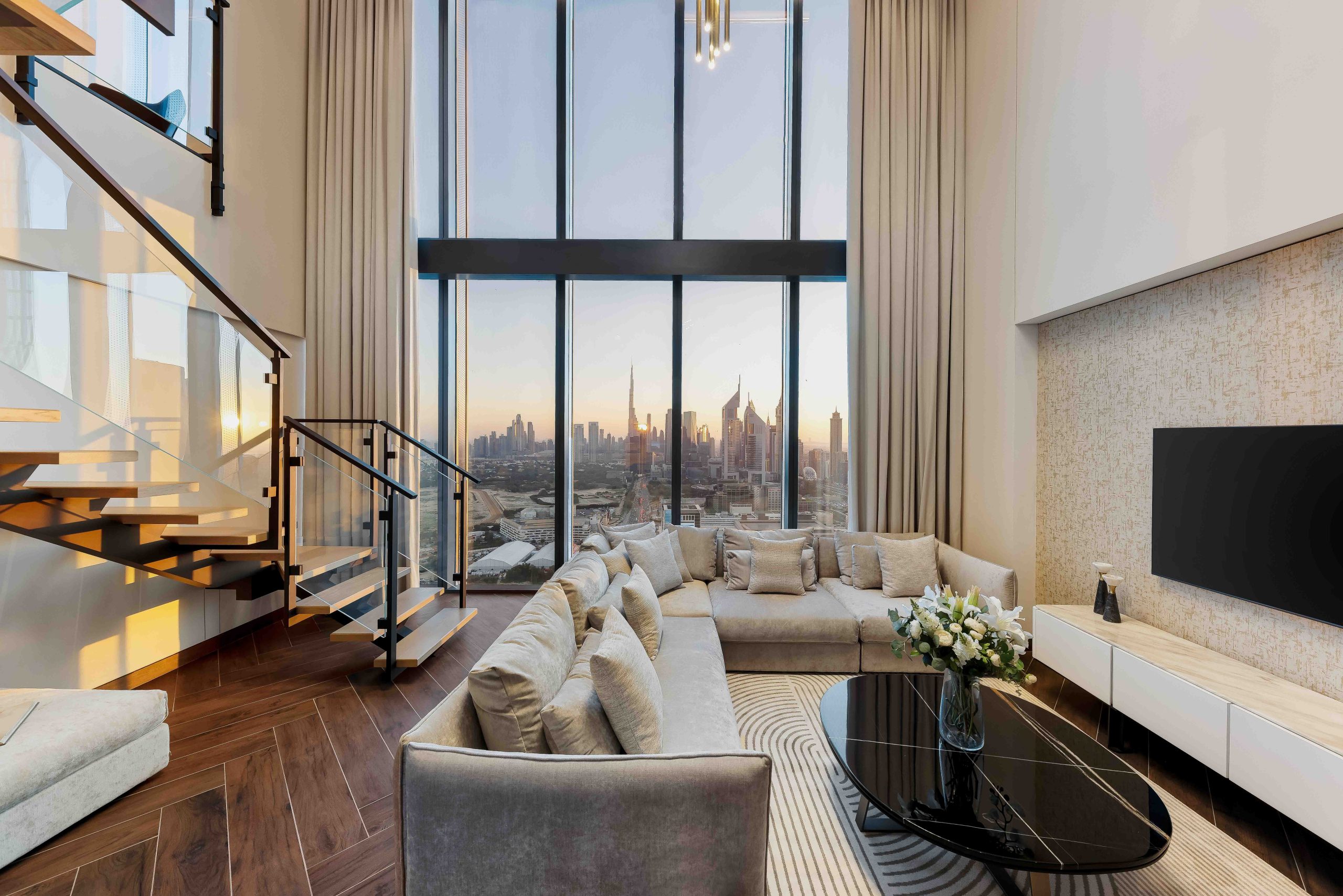
Every space has a challenge. A room might feel cramped, lack light, or want a new purpose. Interior designers see these issues not as roadblocks, but as opportunities for clever ideas. Their job is to find smart, beautiful solutions that work for real life. Here are some ways an interior designer Dubai thinks outside the box to make spaces better.
Seeing walls as suggestions:
Where you see a fixed wall, a designer might see an opportunity. A cramped room can feel open with a large mirror. An empty corner can become a reading nook with a built in seat. Designers treat physical limits as a starting point for ideas, not a full stop. They ask, “What can this become?” instead of “What is it now?”
Giving old things a new job:
Creativity often means looking at objects in a different way. A designer might use a vintage ladder as a blanket rack. An old door can become a headboard. A collection of plates becomes wall art. This approach solves two problems: it adds unique character to a room and gives cherished items a fresh purpose. It is about imaginative reuse.
Making budgets work harder:
A limited budget is a common challenge. Designers meet it with smart tricks. They might suggest painting one wall a bold color for big effect with little cost. They could mix one expensive sofa with affordable side chairs. They know where to spend for quality and where to save. The goal is to create a rich look that respects financial limits.
Building flow and function:
A room must look good and live well. A designer solves flow problems by rearranging furniture to make conversation easy. They add storage where it is necessary most, like baskets under a console or shelves above a door. They fix the problem of a dark hallway with the right light fixture. Each solution aims to make daily life in the space simpler and more pleasant.
Listening to find the real issue:
Sometimes, the stated problem is not the real one. A client says they want a new sofa, but a designer listens and learns the real issue is a lack of cozy seating for their family. The creative fix might be two comfortable chairs and a soft rug instead. By knowing how people truly live, designers solve the problems they have.